Prime Rib Roast Recipe: Restaurant-Quality Results
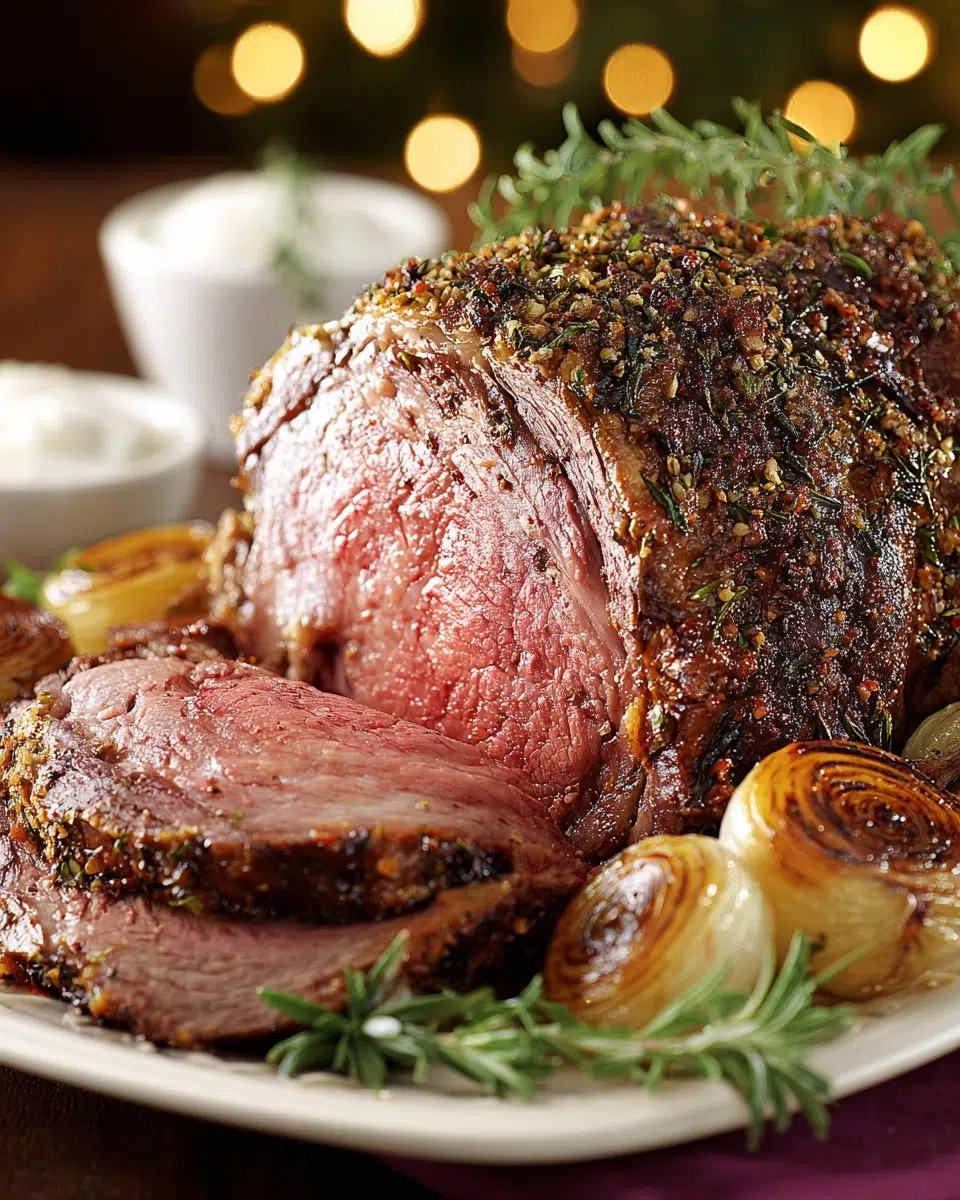
Prime Rib Roast transforms ordinary dinners into extraordinary celebrations, but only when prepared with the right technique. Picture this: your family gathered around the table, eyes widening as you carve into a perfectly golden-brown roast revealing the most beautiful pink center.
The aroma fills the room, and everyone knows they’re about to experience something truly special. Yet many home cooks shy away from this impressive cut, fearing they’ll turn an expensive piece of beef into an overpriced mistake.
The truth is, mastering the perfect prime rib roast recipe doesn’t require culinary school training—it simply demands understanding seven crucial steps that guarantee juicy, tender results every single time. These proven techniques transform what seems like an intimidating cooking challenge into a straightforward process that delivers restaurant-quality results in your own kitchen.
Why You’ll Love This Recipe
This easy prime rib roast method changed everything for my family’s holiday traditions. I remember the first time I attempted prime rib without proper guidance—the result was a beautiful exterior hiding disappointingly dry meat inside. My guests politely ate their portions while I silently vowed to master this magnificent cut.
After years of experimenting with different techniques, I discovered these seven foolproof steps that guarantee success. Now, this recipe has become my go-to for special occasions, earning countless compliments and recipe requests. The best prime rib seasoning blend creates an incredible herb crust while the cooking method ensures edge-to-edge perfection. Whether you’re hosting Thanksgiving, Christmas dinner, or celebrating any milestone, this approach delivers the confidence you need to impress your guests.
Discover more elegant dinner recipes that transform ordinary meals into memorable occasions.
Ingredients List
| Ingredient | Amount | Notes |
|---|---|---|
| Bone-in or boneless prime rib roast (first cut, ribs 10–12) | 4–5 lbs | Choose first cut for optimal tenderness |
| Kosher salt | 1 tbsp | Essential for proper seasoning penetration |
| Freshly cracked black pepper | 1 tbsp | Freshly ground provides best flavor |
| Olive oil or softened butter | 2 tbsp | Creates golden, flavorful crust |
| Garlic powder | 2 tsp | Adds savory depth to seasoning blend |
| Onion powder | 1 tsp | Complements garlic for balanced flavor |
| Fresh rosemary or thyme | 1 tbsp | Optional herb for aromatic enhancement |
| Garlic cloves, halved | 4 pieces | Optional for inserted flavor pockets |
| Onion, sliced | 1 medium | Optional roasting bed for added flavor |
Looking for lighter midday options? Explore our fresh lunch ideas that perfectly complement hearty dinner preparations.
Step-by-Step Directions

Step 1: Remove and Season Early
Remove your prime rib roast from refrigeration 2-3 hours before cooking to bring it to room temperature. Pat the roast completely dry with paper towels, then generously season all surfaces with kosher salt and freshly cracked black pepper. This extended resting period allows the seasoning to penetrate deep into the meat while ensuring even cooking throughout.
Step 2: Create Your Seasoning Blend
Combine olive oil or softened butter with garlic powder, onion powder, and fresh herbs in a small bowl. Rub this mixture thoroughly over the entire surface of the roast, creating a flavorful paste that will develop into a beautiful golden crust. For extra flavor, use a sharp knife to create small slits and insert halved garlic cloves directly into the meat.
Step 3: Preheat and Prepare
Preheat your oven to 450°F. Place sliced onions in the bottom of a roasting pan to create an aromatic bed for your roast. Position the prime rib roast fat-side up on top of the onions, ensuring the meat doesn’t touch the bottom of the pan.
Step 4: High-Heat Sear
Place the roast in the preheated 450°F oven for exactly 20 minutes. This initial high heat creates the perfect golden-brown crust while sealing in the natural juices.
Step 5: Reduce Temperature
After 20 minutes, reduce the oven temperature to 325°F without opening the door. This lower temperature allows the interior to cook gently and evenly while maintaining the beautiful exterior crust.
Step 6: Monitor Internal Temperature
Continue cooking until a meat thermometer inserted into the thickest part reads 115°F for rare, 125°F for medium-rare, or 135°F for medium. This typically takes 15-20 minutes per pound after reducing the temperature.
Step 7: Rest Before Carving
Remove the roast from the oven and tent loosely with aluminum foil. Allow it to rest for 15-20 minutes before carving. During this resting period, the internal temperature will rise 5-10 degrees while the juices redistribute throughout the meat, ensuring maximum tenderness and flavor.
Exact Timing to make Prime Rib Roast
For a 4-5 pound prime rib roast, allow 3-4 hours total preparation and cooking time. Start by removing the roast from refrigeration 2-3 hours before cooking. The initial high-heat searing takes exactly 20 minutes at 450°F, followed by 60-90 minutes at 325°F depending on your desired doneness level. Always rely on internal temperature rather than time alone for perfect results. Factor in an additional 15-20 minutes resting time before serving to ensure optimal texture and flavor distribution.
Nutritional Information
| Nutrient | Per 6oz Serving | % Daily Value |
|---|---|---|
| Calories | 485 | 24% |
| Total Fat | 35g | 45% |
| Saturated Fat | 15g | 75% |
| Cholesterol | 125mg | 42% |
| Sodium | 380mg | 16% |
| Total Carbohydrates | 1g | <1% |
| Dietary Fiber | 0g | 0% |
| Total Sugars | 0g | 0% |
| Protein | 42g | 84% |
| Iron | 4.2mg | 23% |
| Zinc | 8.5mg | 77% |
| Vitamin B12 | 3.8mcg | 158% |
| Niacin | 7.2mg | 45% |
Nutritional data based on USDA standards for ribeye roast, trimmed to 1/8 inch fat. Values may vary based on specific cut and preparation methods. This serving provides exceptional protein content while delivering essential B vitamins and minerals crucial for energy metabolism and immune function.
Healthier Alternatives
| Modification | Health Benefit | Flavor Impact |
|---|---|---|
| Choose grass-fed beef | Higher omega-3 fatty acids, better nutrient profile | Slightly more intense, earthy beef flavor |
| Trim visible fat to 1/8 inch | Reduces saturated fat by 25-30% | Maintains moisture while decreasing richness |
| Use olive oil instead of butter | Provides heart-healthy monounsaturated fats | Subtle fruity notes complement herbs |
| Add herb crust (rosemary, thyme) | Antioxidant properties, anti-inflammatory compounds | Enhanced aromatic complexity |
| Serve smaller 4oz portions | Reduces calories and saturated fat intake | Allows guests to enjoy flavor without overindulgence |
| Create mushroom jus instead of traditional gravy | Lower calories, adds umami depth | Rich, savory flavor with less fat |
Making a healthier Prime Rib Roast doesn’t mean sacrificing flavor. These modifications maintain the luxurious taste while supporting better nutritional goals. Grass-fed options provide superior omega-3 profiles, while strategic fat trimming significantly reduces saturated fat content without compromising the essential marbling that keeps the meat tender and flavorful.
Complete your special occasion meal with something sweet! Find more dessert ideas here to create the perfect ending to your prime rib dinner.
Serving Suggestions
Classic Accompaniments Create Balance
Pair your prime rib roast with traditional sides that complement its rich flavor profile. Creamy horseradish sauce cuts through the beef’s richness while roasted root vegetables like carrots, parsnips, and Brussels sprouts provide earthy sweetness. Yorkshire pudding or garlic mashed potatoes create the perfect base for collecting the roast’s natural juices, transforming each bite into a harmonious blend of flavors and textures.
Wine Pairings Elevate the Experience
Select full-bodied red wines that match the roast’s intensity without overwhelming its natural beef flavor. Cabernet Sauvignon, Malbec, or aged Bordeaux varieties provide the tannin structure needed to complement the meat’s richness. For special occasions, consider serving the wine at proper cellar temperature and allowing it to breathe for 30-60 minutes before serving to maximize the pairing potential.
Presentation Makes the Meal Memorable
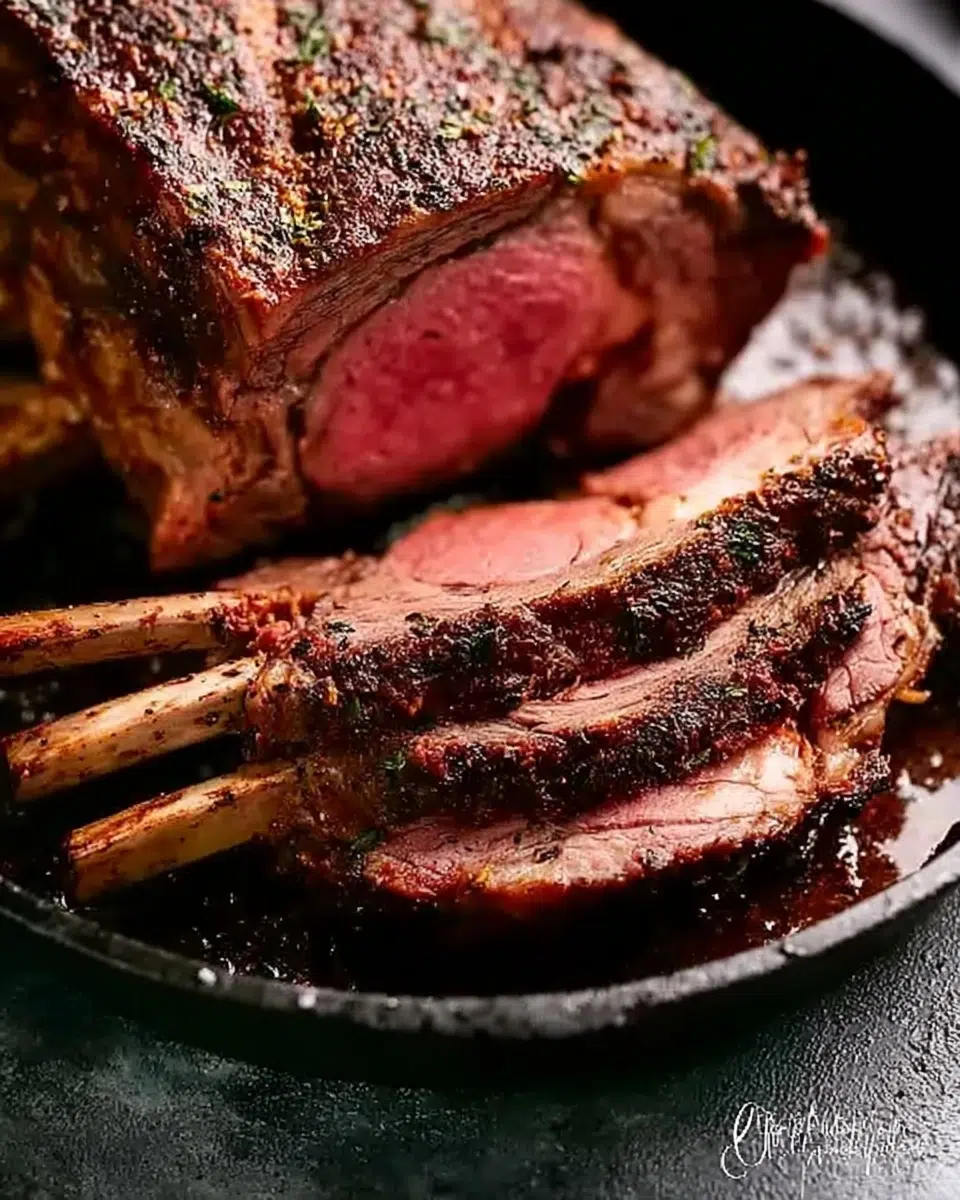
Carve your prime rib roast tableside for dramatic effect, slicing against the grain in thick, restaurant-style portions. Arrange slices on a warmed platter garnished with fresh herb sprigs and serve immediately while the meat remains at optimal temperature. Provide both au jus and horseradish sauce on the side, allowing guests to customize their experience according to personal preferences.
Common Mistakes to Avoid
Temperature Monitoring Prevents Disasters
The most critical error when preparing prime rib roast involves inadequate temperature monitoring. Many home cooks rely solely on cooking time rather than internal temperature, leading to overcooked, dry results. Invest in a reliable meat thermometer and check the temperature at the thickest part of the roast, avoiding contact with bone or fat. Remember that carryover cooking will raise the internal temperature 5-10 degrees during the resting period, so remove the roast slightly before reaching your target temperature.
Skipping the Resting Period Wastes Perfection
Rushing to carve immediately after removing the roast from the oven results in significant juice loss and uneven texture. This resting period allows muscle fibers to relax and redistribute moisture throughout the meat. Cover the roast loosely with foil during this time—tight covering can cause steam buildup that softens the carefully developed crust. Plan this resting time into your serving schedule to ensure optimal results.
Inadequate Seasoning Penetration Limits Flavor
Seasoning your prime rib roast just before cooking prevents proper flavor development throughout the meat. Salt needs time to penetrate beyond the surface, breaking down proteins and enhancing the natural beef flavor. Season at least 4 hours ahead, or preferably overnight, allowing the seasonings to work their magic. This extended seasoning period also helps the surface moisture evaporate, promoting better crust formation during the high-heat searing phase.
Storing Tips
Proper Refrigeration Maintains Quality
Store leftover prime rib roast in the refrigerator within two hours of serving to maintain food safety and quality. Wrap the meat tightly in plastic wrap or aluminum foil, or place it in an airtight container to prevent moisture loss and odor absorption. Properly stored prime rib maintains optimal flavor and texture for 3-4 days in the refrigerator. For best results, slice only what you need for immediate consumption, keeping the remaining roast intact to minimize surface area exposed to air.
Freezing Extends Storage Life
For longer storage, wrap the prime rib roast in freezer-safe materials using a double-wrap method: first in plastic wrap, then in aluminum foil or freezer paper. Label with the date and freeze for up to 6 months for best quality. When ready to use, thaw slowly in the refrigerator for 24-48 hours depending on the size of the remaining roast. Never thaw at room temperature, as this promotes bacterial growth and compromises food safety.
Reheating Preserves Original Quality
Reheat leftover prime rib gently to avoid overcooking the already-perfect meat. For sliced portions, warm in a 300°F oven for 10-15 minutes, covering with foil to prevent moisture loss. For larger pieces, slice to desired thickness and reheat in beef broth or au jus in a covered skillet over low heat. This method adds moisture while gently warming the meat without changing its doneness level. Avoid microwaving, which can create tough, rubbery texture and uneven heating.
FAQs
What size Prime Rib Roast should I buy for my dinner party?
Calculate approximately 1 pound per person for bone-in Prime Rib Roast or 8-10 ounces per person for boneless cuts. This generous sizing accounts for the bone weight and ensures adequate portions for hearty appetites. For a dinner party of 8 people, a 6-7 pound bone-in roast provides perfect portions with minimal leftovers. Consider your guests’ preferences and whether you’re serving multiple courses, as lighter meals may require smaller portions while this remains the star of your menu.
How do I know when my Prime Rib Roast reaches the perfect doneness?
Use a reliable meat thermometer inserted into the thickest part of the Prime Rib Roast, avoiding bone contact for accurate readings. Target internal temperatures are: 115-120°F for rare, 125-130°F for medium-rare, and 135-140°F for medium doneness. Remember that the temperature will rise 5-10 degrees during the essential resting period, so remove the roast slightly before reaching your target. Medium-rare provides the ideal balance of warm red center with properly cooked exterior, maximizing both flavor and tenderness.
Can I prepare my Prime Rib Roast ahead of time for special occasions?
Yes, season your Prime Rib Roast up to 24 hours in advance for enhanced flavor penetration and easier entertaining logistics. Apply the salt and herb rub, then wrap and refrigerate until cooking time. Remove from refrigeration 2-3 hours before cooking to ensure even temperature distribution. While you can partially cook the roast earlier in the day and finish before serving, this advanced technique requires careful temperature monitoring and isn’t recommended for beginners. For best results, complete the cooking process in one session.
What’s the difference between Prime grade and Choice grade for Prime Rib Roast?
Prime grade Prime Rib Roast contains more marbling (intramuscular fat) than Choice grade, resulting in superior tenderness, juiciness, and flavor intensity. Prime represents only 2-3% of beef production and commands premium pricing due to its exceptional quality. Choice grade offers excellent value with good marbling and flavor, making it suitable for most home celebrations. Both grades benefit from proper cooking techniques, though Prime grade provides more forgiving results due to higher fat content that naturally bastes the meat during cooking.
Prime Rib Roast
- Total Time: 4 hours
- Yield: 6 servings 1x
Description
This Prime Rib Roast recipe reveals the seven essential steps that guarantee a tender, juicy, restaurant quality roast at home. With a beautifully seasoned crust and perfectly pink center, this method is ideal for anyone searching for food recipes, recipes dinner, or recipes easy that deliver impressive results without complicated techniques. This approach ensures even cooking, deep flavor, and reliable success every time.
Ingredients
- 4 to 5 pounds bone in or boneless prime rib roast
- 1 tablespoon kosher salt
- 1 tablespoon freshly cracked black pepper
- 2 tablespoons olive oil or softened butter
- 2 teaspoons garlic powder
- 1 teaspoon onion powder
- 1 tablespoon fresh rosemary or thyme optional
- 4 garlic cloves, halved optional
- 1 onion, sliced optional
Instructions
- Remove the roast from refrigeration 2 to 3 hours before cooking. Pat dry and season generously with salt and pepper.
- Mix olive oil or softened butter with garlic powder, onion powder, and herbs. Rub the mixture over the roast and insert garlic cloves into small slits if desired.
- Preheat the oven to 450°F. Place sliced onions in the bottom of a roasting pan and position the roast fat side up on top.
- Roast at 450°F for 20 minutes to create a golden crust.
- Reduce oven temperature to 325°F without opening the door.
- Continue roasting until internal temperature reaches 115°F for rare, 125°F for medium rare, or 135°F for medium. Expect 15 to 20 minutes per pound at this stage.
- Remove from the oven and tent with foil. Rest 15 to 20 minutes before carving to allow juices to redistribute.
Notes
Use a meat thermometer for accuracy. Room temperature rest and post cook rest are essential for even cooking and maximum juiciness.
- Prep Time: 2 hours 30 minutes
- Cook Time: 1 hour 20 minutes
- Category: Dinner
- Method: Roasted
- Cuisine: American
Nutrition
- Serving Size: 1 slice
- Calories: 640
- Sugar: 0g
- Sodium: 1180mg
- Fat: 48g
- Saturated Fat: 20g
- Unsaturated Fat: 26g
- Trans Fat: 0g
- Carbohydrates: 2g
- Fiber: 0g
- Protein: 50g
- Cholesterol: 170mg
Keywords: prime rib roast, food recipes, recipes dinner, recipes easy, holiday roast